Physical literacy and environmental design
In the Routledge Physical literacy handbook published 2026, edited by Liz Durden-Myers, one of the chapters, “Physical literacy enriched environmental design”, covered how physical literacy can be a powerful ally in design through the construction of positive challenges for all. The principles of PLEED – Physical literacy enriched environmental design – were, among other things, introduced.
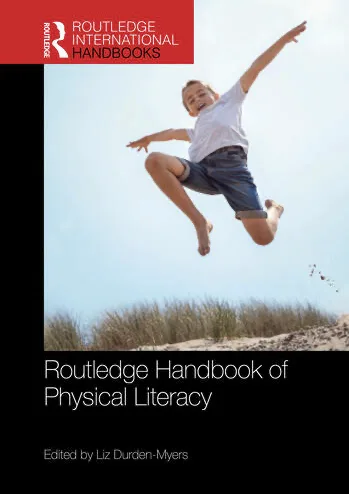
The handbook is a comprehensive, authoritative, and evidence-based guide to contemporary and global developments in the field of physical literacy. It brings together leading scholars and practitioners from around the world to examine the importance of physical literacy across the life course. More info >
Chapter 32 – Physical literacy and environmental design
Introduction
One of the core pillars of physical literacy is the need for every physical activity experience to be a positive and meaningful one for every individual (England consensus statement). To achieve this, the activity needs to create a positive atmosphere, and this can be greatly influenced by the environment in which it takes place, physically, emotionally and socially. “Who we are with” matters greatly. But so does “where we are”. As such, it is important to think about the nature and the quality of the physical environment as well as the emotional and social one. This means we need to be able to influence the design, look and feel, and provision of the places in which activity happens.
There is a growing body of work internationally which seeks to influence planners, designers and developers to embrace the principles of physical literacy in the creation of a vibrant and dynamic “public realm”. This includes open spaces, formal and informal play facilities, pitches and courts, pavements, pathways and access routes, streets and roads, trails and open waterways.
Active environments are being promoted as a means to help communities grow into a physically active lifestyle, thus supporting improvements in their physical, social and emotional health and well-being. The multidimensional construct of physical literacy can be a powerful ally in design through the construction of positive challenges for all.
Authors
Trevor Smith – SPORTSMITH Limited, England
Andy Mytom – David Morley Architects, England
Natalie Houser – University of Saskatchewan, Canada
Janis Neufeld – Inclusive by Design, Canada
Dean Kriellaars – HUPR, Research Center for Human Potential, Canada
Sarah Noble – Wyndham City Council, The Active Village Project, Australia
Sam Fenton – Federation University, Australia
Grim Jernudd – Change the game, Sweden
Tom Englén – Change the game, Sweden

